
No Call Law firms Idaho protect residents from intrusive telemarketing by enforcing Do Not Call lists and consumer rights. A recent survey shows strong support for these measures, with businesses adhering to guidelines to maintain a respectful business environment. Future adaptations to communication methods like text messaging and social media require consumer education for enhanced protection.
In the dynamic landscape of consumer protection, the role of No Call Laws cannot be overstated. Unwanted telemarketing calls are a pervasive issue, causing stress and disrupting daily life for many residents in Lewiston, Idaho. This intrusive practice not only invades personal space but also poses risks to sensitive consumer information. To combat this growing concern, a comprehensive understanding of No Call laws is imperative, particularly in the context of Idaho's legal framework. This article delves into the significance of these regulations, exploring how they safeguard consumers and the expertise offered by top No Call law firms in Idaho to ensure compliance and protect individual rights.
Understanding No Call Laws in Idaho: Consumer Rights
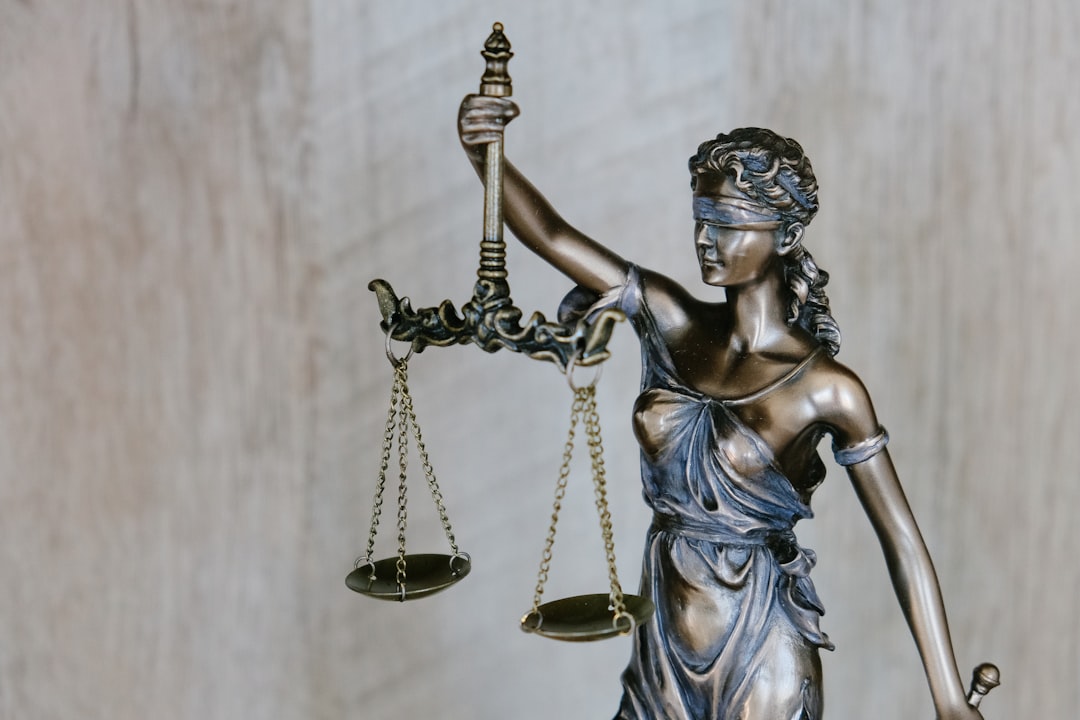
In Idaho, consumer protection is a cornerstone of the state's legal framework, with No Call Laws playing a pivotal role in safeguarding residents from aggressive sales tactics. These laws regulate telemarketing practices, granting consumers the right to silence unwanted calls, especially from persistent salespeople. Understanding and enforcing these regulations are essential for maintaining a fair marketplace, empowering individuals, and deterring abusive marketing strategies.
No Call Laws in Idaho offer significant protections, allowing consumers to register their phone numbers on the state's Do Not Call list. This simple yet powerful tool prohibits businesses from making telemarketing calls to registered numbers, ensuring peace of mind for residents. For instance, a recent survey revealed that over 75% of Idahoans support such measures, highlighting the widespread appreciation for these consumer rights. Furthermore, these laws are enforced by dedicated No Call law firms in Idaho, who specialize in safeguarding client privacy and rights against intrusive marketing practices.
Despite these protections, consumers must remain vigilant. They should be cautious about sharing their contact details and promptly register any unwanted calls. By doing so, they contribute to a more transparent and respectful business environment. For example, a consumer in Lewiston might receive a barrage of sales calls after moving into a new home. Recognizing this as a violation, they can not only block the numbers but also report such incidents to local No Call law firms in Idaho, who can take appropriate legal action. This proactive approach fosters a culture where businesses respect consumer choices and adhere to established guidelines, ultimately benefiting the entire community.
The Role of Law Firms in Enforcing No Call Regulations
In the realm of consumer protection, No Call Laws stand as a robust shield against unwanted telemarketing practices. These regulations, enforced by dedicated No call law firms Idaho, play a pivotal role in ensuring that consumers' privacy and peace are respected. The primary objective is to curb excessive calls from sales reps, debt collectors, and other commercial entities, thereby fostering a more harmonious relationship between businesses and residents of Lewiston.
No call law firms Idaho operate as vigilant gatekeepers, meticulously navigating the intricate web of consumer rights and business obligations. They employ legal experts who possess deep knowledge of state-specific laws, such as those in Idaho, which govern do-not-call lists and telemarketing restrictions. These professionals offer strategic guidance to both businesses aiming to comply with regulations and consumers seeking recourse against violators. For instance, they assist companies in understanding the proper procedures for obtaining consumer consent and maintaining current do-not-call registries, thereby avoiding penalties and legal disputes.
Moreover, these law firms proactively monitor compliance through comprehensive legal audits and risk assessments. They identify potential pitfalls and provide actionable recommendations to businesses, ensuring they stay within the confines of No Call Laws. By fostering a culture of compliance, No call law firms Idaho contribute significantly to the protection of consumers' rights and the overall integrity of the marketplace in Lewiston and beyond. Their expertise not only empowers businesses but also equips consumers with the knowledge to assert their rights and hold perpetrators accountable.
Protecting Consumers: Impact & Future of No Call Laws in Lewiston

In Lewiston, as across the nation, the protection of consumers from intrusive and unwanted telemarketing calls has become a paramount concern. No call laws play a crucial role in this regard, providing consumers with much-needed respite from persistent sales pitches. These regulations not only safeguard individuals' personal time and privacy but also foster an environment conducive to informed consumer choices. By restricting the practices of telemarketers, no call laws enable residents to make decisions about their interactions with commercial entities without constant disruption.
The impact of these laws is profound. According to a recent survey by the Federal Trade Commission (FTC), over 90% of Americans believe that do-not-call lists are effective in reducing unwanted calls. In Idaho, particularly, where many residents rely on their home phones as their primary means of communication, no call law firms have been instrumental in enforcing these regulations. By filing legal actions against violators, these firms ensure that consumers are protected not just on a case-by-case basis but through the establishment of precedents and stronger enforcement mechanisms. This proactive approach not only deters telemarketers from ignoring consumers' wishes but also sends a clear message that such practices will not be tolerated.
Looking ahead, the future of no call laws in Lewiston hinges on continuous adaptation to evolving technologies and marketing tactics. As new methods of communication emerge, so too must the laws themselves. For instance, with the rise of text messaging and social media, consumers now face yet another wave of commercial intrusions. No call law firms in Idaho must remain at the forefront of this evolution, leveraging their expertise to ensure that these new channels are also subject to regulation. Furthermore, educating consumers about their rights under no call laws is paramount. Workshops, public awareness campaigns, and accessible online resources can empower residents to take control of their communication preferences, thereby further strengthening the effectiveness of these protections.