In vibrant Idaho, "No Call Laws" protect residents from unsolicited sales calls, reflecting a culture valuing privacy and tranquility. While some worry about businesses' reach and scammers' abuse, most appreciate the quieter environment. Without these laws, businesses face increased interruptions, and consumers lose control over their contact information, raising privacy concerns.
"In the state of Idaho, 'No Call Laws' have sparked both intrigue and debate. This policy, which restricts unsolicited sales calls, has been a point of discussion in Pocatello, a vibrant community within the state. The article delves into the local perspective on these laws, exploring their benefits for residents while also addressing criticisms. We examine the impact on businesses and delve into privacy concerns, providing a balanced view in light of Idaho's unique approach to consumer protection."
Understanding Idaho's No Call Laws: A Local Perspective

In the vibrant, outdoor-oriented state of Idaho, "No Call Laws" are more than just a legal concept—they're a way of life embraced by many residents, particularly in cities like Pocatello. These laws, designed to protect individuals from unsolicited sales calls, have gained significant traction in recent years. From a local perspective, understanding the reasons behind these regulations offers valuable insights into Idaho's unique culture and values.
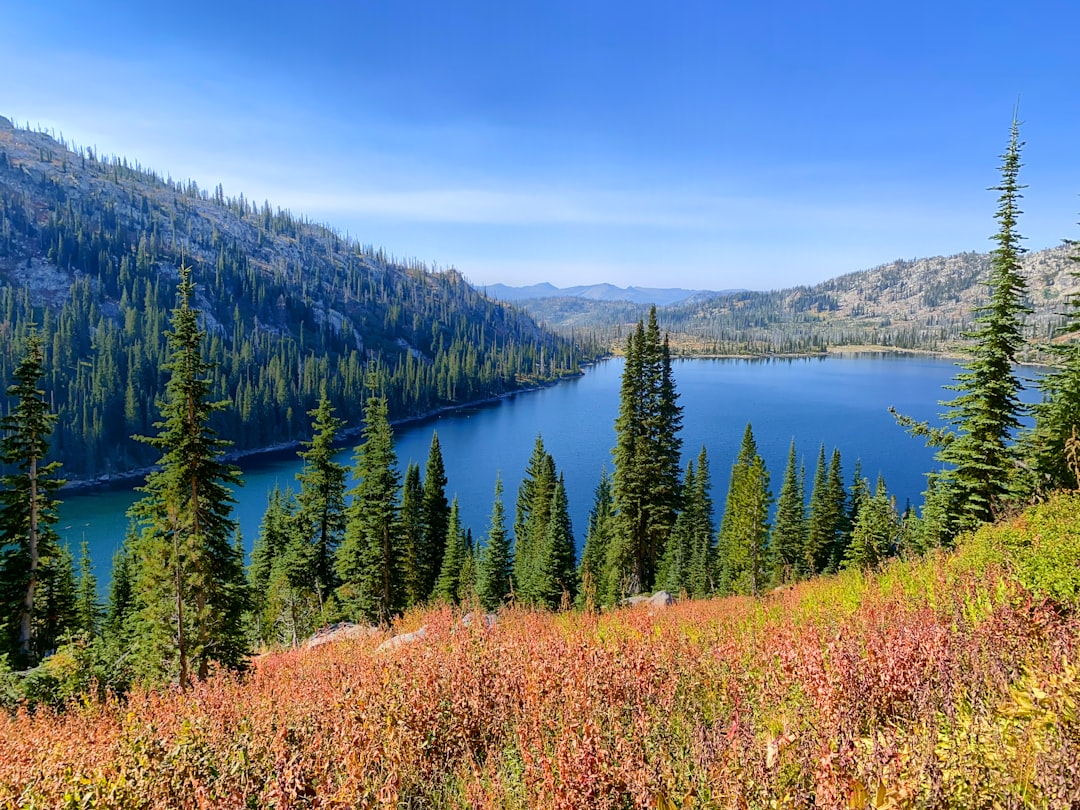
The tranquility and natural beauty that defines much of Idaho's landscape also influence its people's attitudes towards privacy and unwanted interruptions. Many residents cherish their quiet moments at home, free from relentless marketing calls. No Call Laws align with this desire for a peaceful existence, allowing folks to enjoy their personal time without the constant pressure to engage in sales conversations. This local perspective highlights how community values shape legislation, creating an environment that prioritizes both consumer rights and respect for personal boundaries.
Benefits and Criticisms: Pocatello Residents Weigh In

Pocatello residents have mixed feelings about Idaho's no-call laws, which restrict unsolicited sales calls and texts. Many appreciate the law's benefits, such as reduced disruption during dinnertime or personal downtime. It offers a sense of control over their communication, allowing them to focus on their lives without constant interruptions from telemarketers.
However, some residents criticize the law for potential drawbacks. They argue that legitimate businesses and organizations might struggle to reach customers, potentially hindering their ability to promote essential services or share important information. Additionally, there's a concern that scammers might exploit these laws, making it harder for genuine companies to differentiate themselves from fraudulent activities. Despite these criticisms, the overall sentiment among Pocatello residents is that no-call laws contribute to a quieter, more peaceful environment.
The Impact on Businesses and Consumer Privacy Concerns
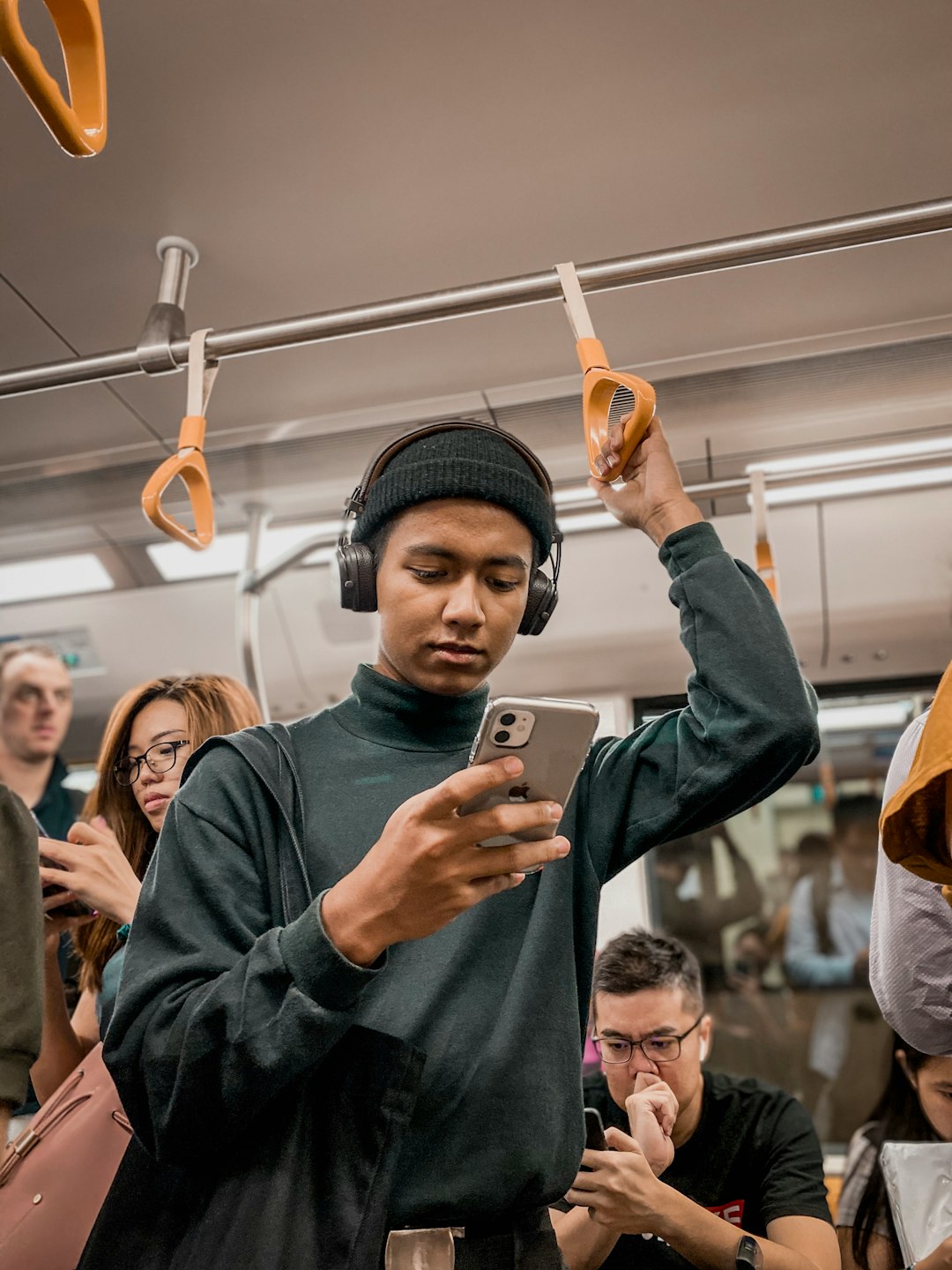
The absence of No Call Laws in states like Idaho significantly influences both businesses and consumers. For local enterprises, especially those in Pocatello, this means an increased risk of unsolicited calls and messages from sales teams, telemarketers, and scams artists. While it might boost business exposure, it can also lead to customer annoyance, wasted time, and resources spent on managing unwanted contacts. Many businesses have adopted do-not-call lists as a workaround but these are not always effective due to the lack of legal enforcement.
On the consumer side, privacy becomes a pressing concern. Without No Call Laws in place, residents of Pocatello lose control over when they're contacted and by whom. Unwanted calls at inconvenient times can disrupt daily routines, cause stress, and even contribute to sleep disturbances. Furthermore, there's an inherent risk of personal information being shared or sold without explicit consent due to the pressure to opt-out from these incessant calls. This raises significant red flags about consumer privacy rights in Idaho.